Contact Us
 Donate
Having a “we allow service dogs” policy does not equate to true accessibility. Allowing service dogs is a legal requirement, but accessibility extends far beyond compliance alone.
For individuals with disabilities who rely on a service dog, true accessibility is shaped by far more than required policies. Narrow aisles, crowded layouts, inaccessible seating, or overwhelming sensory environments can turn what should be a simple visit into a stressful experience before the customer even has a chance to engage with your business.
Real accessibility is not about checking a legal box. It’s about creating spaces where individuals with disabilities and their service dogs can arrive, stay, and fully participate.
Below are key areas businesses often overlook, and practical ways to create a more inclusive environment.
Physical Access Isn’t Just a Doorway

Allowing service animals to enter your business is only the starting point. Accessibility should extend throughout the entire space, ensuring patrons can move comfortably and safely once inside.
When evaluating your layout, consider the full customer journey from entry to exit.
Here are ways businesses can improve physical accessibility:
- Ensure entryways are wide enough for wheelchairs and mobility equipment.
- Install automatic doors so patrons don’t need to physically open heavy doors.
- Create wider aisles to allow comfortable navigation for wheelchairs and service dog teams.
- Avoid split-level rooms or add ramps to eliminate barriers.
- Use flat, stable flooring to prevent tripping hazards.
- Lower shelving or service counters when possible.
- Add seating areas throughout the space to allow rest breaks.
- Evaluate evacuation routes to ensure they are accessible to individuals using wheelchairs or service dogs.
Viewing your space through an accessibility lens during layout planning can prevent mobility challenges before they arise.
Staff Behavior Can Make or Break Accessibility
Accessibility isn’t only physical, it’s also interpersonal. Staff behavior has the power to make an experience welcoming or uncomfortable, regardless of good intentions. Intrusive questions can create discomfort and may discourage someone from returning.
These include questions such as:
- “What is your disability?”
- “Can you show me?”
- “Do you have paperwork for your service animal?”
Training staff on respectful service dog etiquette is also an important form of accessibility.
Best practices include:
- Do not pet, feed, or talk directly to a service animal.
- Always assume the service animal is working.
- Speak directly to the handler, not the dog.
- Avoid unnecessary questioning beyond what is legally permitted.
Maintain professionalism and respect at all times.
Service dogs are task-trained partners. Distractions can interfere with the work their handlers rely on them to perform. With these distractions removed, staff behavior can help create a positive experience.
Sensory Items are Frequently Overlooked
Sensory environments can significantly impact individuals with disabilities, yet they are often unintentionally overlooked by business owners.
Loud music, bright or blinking lights, strong odors, crowded layouts, and visual clutter may seem minor—but they can be overwhelming or disorienting for both handlers and service dogs.
When evaluating your space, consider:
- Lighting (Is it harsh, overly bright, or flashing?)
- Walkways (Are they narrow or crowded?)
- Sound levels (Is music excessively loud?)
- Visual distractions (Is there overstimulation?)
- Strong or lingering odors
- The potential for crowding
- Whether an alternative, quieter area is available
Small environmental adjustments can dramatically improve comfort and usability.
Restrooms, Seating, & “Staying” in the Space
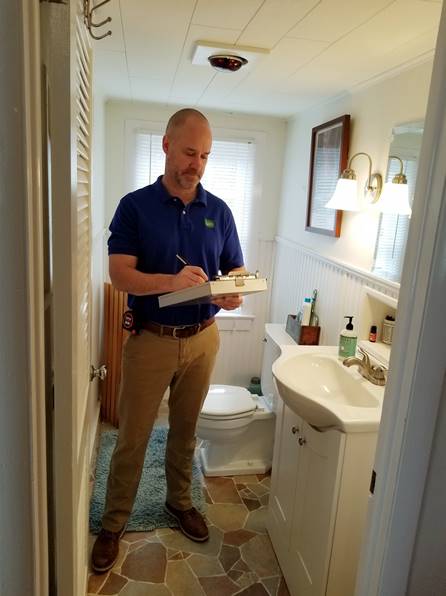
Accessibility should account for both short visits and extended stays. In businesses where patrons may remain for long periods, it’s important to anticipate long-term needs for both the handler and their service dog.
Consider the following:
- Restrooms should not only meet accessibility codes but provide enough space for a handler and service dog to maneuver comfortably.
- Provide seating areas that allow room for a service dog to settle safely beside the handler.
- Offer secure areas where a dog can briefly tether if appropriate.
- Install automatic doors when possible to reduce physical strain.
- Identify appropriate outdoor relief areas for service dogs during extended visits.
By planning for longer-term needs, businesses create environments where individuals and their service dogs can remain comfortably and safely, not just enter briefly.
How Can UDS Help? What True Accessibility Looks Like
Creating an inclusive environment usually isn’t as simple as widening a doorway. True accessibility involves thoughtful design, respectful interactions, and intentional planning. While UDS does not provide commercial accessibility renovations, we work closely with individuals and families to create accessible home environments through our home modifications program. It is designed to improve accessibility and ensure spaces include practical features such as ramps, grab bars, and other supportive design elements.
This firsthand experience gives us unique insight into the real-world accessibility challenges individuals face, which can be valuable for business owners to consider as well, when trying to create welcoming spaces.
We also offer a service dog program for individuals with mobility disabilities, autism, and veterans with PTSD—providing highly trained dogs that assist with daily living and independence.
UDS serves most of eastern and central Pennsylvania and is committed to walking alongside you every step of the way.
To learn more about creating accessible spaces or about our programs, please contact us to get started.