Contact Us
 Donate
Home Modifications: Big Impact on a Small Budget
As people age, many prefer to remain in the comfort of their own homes. Creating a safe and accessible environment can make aging in place easier for both older adults and their families.
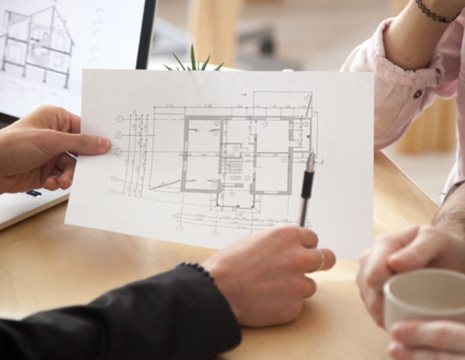
To support this goal, UDS offers a Home Modifications program. Our experts evaluate your living space and recommend practical modifications based on your individual needs and the layout of your home.
Home modifications do not always require major renovations. In many cases, small adjustments such as improving lighting or changing door handles can significantly improve safety and accessibility. Entryways, bathrooms, kitchens, and living spaces can all benefit from thoughtful modifications that support independence and reduce fall risks.
Below are a few simple ways different areas of the home can be adapted to make daily living easier and safer.
Entryways
Entryways are often the first point of access to a home, making accessibility especially important. Fortunately, improving an entryway does not usually require extensive construction.
One of the simplest modifications is replacing traditional doorknobs with lever-style handles. Doorknobs can be difficult for individuals with limited grip strength or arthritis to turn. Lever handles allow doors to be opened with much less effort.
Another important consideration is the flooring near the entrance. Even a small step or raised threshold can create challenges for individuals who use wheelchairs, walkers, or other mobility aids. Installing a small transition ramp can create a smoother and safer way to enter and exit the home.
These simple changes can make a significant difference in daily accessibility.
Bathroom Modifications
Bathrooms often present some of the highest safety risks in the home, particularly for individuals with mobility challenges. Wet surfaces can quickly become slippery and increase the likelihood of falls.
Fortunately, there are several low-cost ways to improve bathroom safety without committing to a full renovation.
Adding non-slip mats on bathroom floors and inside showers or tubs can provide immediate traction and stability. These small additions can significantly reduce fall risks.
Grab bars are another effective safety feature that can often be installed with minimal modification. Strategically placing grab bars near the shower, bathtub, or toilet can provide additional support when sitting, standing, or stepping in and out of bathing areas.
Together, these adjustments create a safer environment while still maintaining the comfort and familiarity of the home.
Kitchen Adjustments
Kitchens are another high-traffic area where small modifications can make daily tasks easier and safer.
One simple step to minimize risk is removing small rugs often placed near sinks or stoves. While decorative, these rugs can create tripping hazards for individuals using walkers or wheelchairs.
Cabinet accessibility is another important consideration. Replacing small cabinet knobs with handles can make them easier to open for individuals with limited grip strength. Adding handles to cabinets that do not currently have them can also improve usability. For items stored in lower cabinets, pull-out shelving can make a significant difference. These shelves allow items in the back of cabinets to slide forward, reducing the need for bending or reaching.
Lighting is another easy improvement. Installing LED lighting strips beneath cabinets can brighten food preparation areas and improve visibility while cooking. Many of these lighting solutions can be installed quickly using adhesive backing.
These small adjustments can greatly improve kitchen accessibility without requiring expensive renovations.
Living Room Spaces
Living rooms are designed for comfort, but furniture placement can sometimes create barriers for individuals with mobility challenges.
Rearranging or removing certain pieces of furniture can help widen walkways and make it easier to move throughout the space. For example, removing coffee tables or excess furniture may allow more room for walkers or wheelchairs to pass safely. Furniture selection can also play a role in accessibility. Chairs and sofas that are slightly higher and firmer often provide better support when sitting down or standing up.
Area rugs can create obstacles as well. Thick rugs can make it difficult for wheelchairs or walkers to move smoothly and may increase the risk of tripping. Removing or securing rugs can help create a safer walking surface.
These adjustments help maintain a comfortable living environment while improving safety and mobility.
How UDS Can Help
Making a home safer and more accessible does not always require major construction. Often, small and thoughtful changes can make a meaningful difference in supporting independence and daily comfort.
At UDS, our Home Modifications program helps families identify practical solutions tailored to their specific needs. Our team evaluates each living space and provides recommendations designed to support safer, more independent living. Even if our Home Modifications program is not the right fit for your situation, our Resource Center can help guide you toward services and organizations that may better meet your needs.
UDS proudly serves most of eastern and central Pennsylvania. If you would like to learn more about our services, we encourage you to contact us and speak with a member of our team.