Contact Us
 Donate
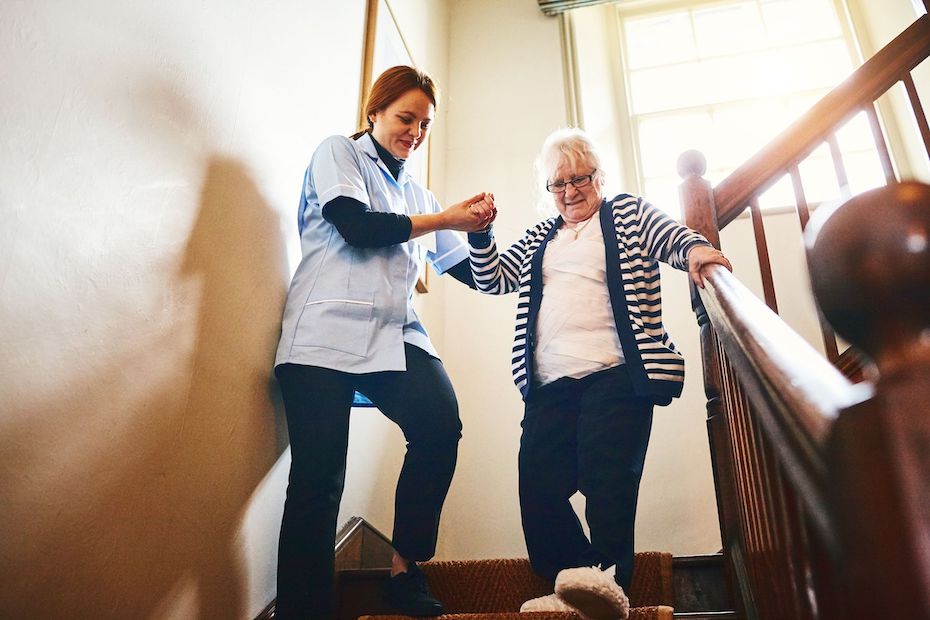
Enlisting the help of an in-home caregiver for your loved one can feel overwhelming. It is a significant transition for everyone involved. At UDS, we work closely with families to ensure their loved one receives compassionate care in the comfort of home while promoting independence, dignity, and safety.
The first 30 days of in-home care are an important adjustment period. During this time, routines are established, trust is built, and open communication becomes the foundation for long-term success.
Below is what families can expect during those first few weeks and how to navigate the transition with confidence.
The Initial Assessment & Care Planning
The first visit typically serves as both a consultation and an introduction. It is an opportunity for the caregiver to become acquainted with the individual and their family while assessing care needs within the home environment.
This meeting allows everyone involved to ask questions, share concerns, and establish clear expectations before regular care begins. Open communication at this stage helps create a strong foundation for a successful care plan.
Topics often discussed during the initial assessment include:
- Areas where assistance is needed
- Tasks the individual can manage independently
- Specific medical or mobility needs
- Scheduling details, including appointments and caregiver hours
- Physician instructions or care recommendations
- Family questions or concerns
A thoughtful, collaborative assessment ensures care is personalized, practical, and aligned with the individual’s goals.
The Emotional Adjustment Period
The first few days of care focus heavily on building trust. Many older adults strongly value their independence and may initially hesitate to accept assistance. This is a natural and understandable response to change.
Caregivers must balance offering support while respecting autonomy. Knowing when to step in and when to step back is essential to developing mutual trust.
Family members may also experience feelings of guilt or uncertainty. Entrusting a loved one’s care to someone new can be emotionally challenging. Consistent communication and gradual relationship-building help ease these concerns.
It is important that everyone involved listens to and validates the older adult’s feelings. Small, reassuring statements can help reduce resistance and encourage comfort, such as:
- “We can take this one step at a time.”
- “I am here to help when you need me.”
- “We don’t have to have everything figured out today.”
- “Let’s start small and adjust as needed.”
Patience during this stage allows trust to grow naturally rather than forcing change too quickly.
Establishing Daily Routines
Consistency plays a key role in a successful transition to in-home care. While it may take time for the caregiver to fully understand the routines already in place, learning those patterns is essential.
Once routines are established, caregivers can more effectively coordinate appointments, medications, and daily tasks. Predictability helps individuals feel secure and confident, knowing when assistance will be available.
Daily routines may include:
- Mealtimes
- Medication reminders
- Housekeeping tasks
- Personal hygiene support
- Sleep schedules
- Social or visitor times
Having a familiar caregiver arrive each day also fosters companionship. Beyond physical support, this consistency can positively impact mental and emotional well-being by reducing feelings of loneliness or isolation.
Signs the Care Plan is Working
Care plans should be reviewed regularly to ensure they continue meeting the needs of everyone involved. As circumstances change, adjustments may be necessary. Effective caregiving promotes independence rather than taking it away. The goal is to provide the right level of support while empowering individuals to maintain as much autonomy as possible.
Families can evaluate progress by asking thoughtful questions such as:
- Is there anything you would like done differently?
- Do you feel you are able to make your own choices?
- What additional support would be helpful?
- Are there moments when you feel unheard?
- Are there tasks you would prefer to handle independently?
Open conversations like these strengthen communication and ensure the care plan remains centered on the individual’s preferences and dignity.
How UDS Can Help
Accepting in-home care is a meaningful step for both older adults and their families. The first 30 days set the tone for a successful, long-term partnership. Beginning with a comprehensive assessment, followed by a thoughtful emotional adjustment period and consistent routine-building, creates a strong foundation for positive outcomes.
Clear communication remains essential throughout the process. When families, caregivers, and individuals work together, care becomes more than a service — it becomes a collaborative effort built on trust and respect.
At UDS, we are committed to walking alongside you every step of the way. We remain available for questions, guidance, and ongoing care plan adjustments to ensure your loved one receives support that evolves with their needs.
Beginning March 3, UDS expanded our ability to serve Lancaster County by adding two full-time Transitional Care Specialists (TCS). One of these specialists is bilingual, allowing us to better support Spanish-speaking participants and their families. These positions help us begin care immediately so participants can receive the assistance they need while we work to identify a permanent caregiver. Once a long-term caregiver is selected, the TCS helps ensure a smooth transition by training the new caregiver on the participant’s care plan and best practices for supporting their individual needs. These specialists can provide care anywhere within Lancaster County, helping ensure participants receive timely and consistent support.
UDS proudly serves most of eastern and central Pennsylvania. If you would like to learn more about our in-home care services, we encourage you to contact us and speak with a member of our team.