Contact Us
 Donate
Not sure which home modifications are the right fit for you? When determining whether to utilize permanent home modifications or to go with temporary solutions, there are multiple factors to consider. Temporary solutions can address needs that may change over time, offering flexibility as situations evolve. More permanent modifications can support individuals with long-term concerns. At UDS, we strive to ensure you receive solutions that are best suited to your needs in order to promote optimal safety in the home.
Temporary Solutions
Temporary home modifications are an effective way to make your home more accessible for individuals who need mobility assistance. Some examples of temporary solutions include:
- Non-slip mats
- Grab bars
- Portable ramps
- Shower chairs
- Lever door handles
Adding these items is a simple way to accommodate someone whose needs may change on a day-to-day basis. Because they do not require significant structural changes, they can be easily adjusted or removed as needed. Temporary solutions are ideal for individuals in short-term recovery situations or for those seeking a cost-effective alternative to more expensive permanent modifications.
Permanent Solutions
Permanent accessibility solutions are best suited for individuals who require long-term support. Those planning to age in place or living with chronic mobility challenges may benefit from investing in permanent modifications. Examples include:
- Doorway and hallway widening
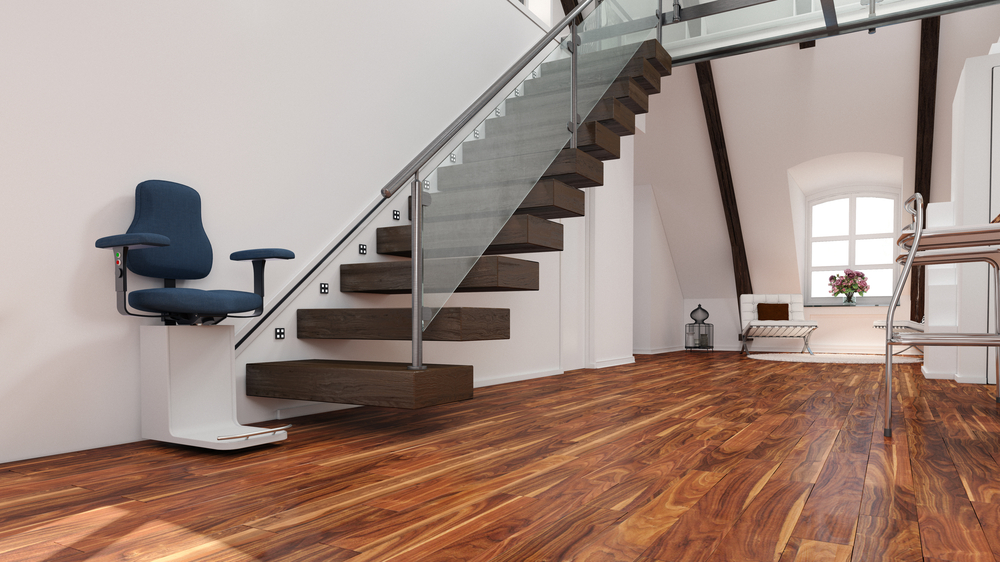
- Stairlifts
- Walk-in showers
- Lowered countertops
- Flooring replacement
- Automatic door openers
- Ceiling track lifts
These options help ensure long-term accessibility while promoting greater independence and ease of movement within the home.
Safety Differences
Both temporary and permanent accessibility solutions can improve safety throughout the home. However, permanent solutions are typically engineered for long-term use, making them more stable and less likely to shift or fail over time. Temporary solutions, on the other hand, depend heavily on proper setup and installation.
For this reason, it is important to have a qualified professional handle the installation of any weight-bearing or safety-related equipment. Improper installation can reduce effectiveness and increase the risk of injury.
A user’s need for assistance also plays a key role in safety. Some modifications are designed for independent use, but if a person requires caregiver support, those features may not provide adequate safety on their own. The best modifications are those selected based on the user’s specific needs. If flexibility or adjustability is important, a temporary solution may offer a safer and more practical option.
Impact on Home Value
Home modifications often have a neutral impact on property value, depending on the type and extent of the changes. Smaller, easily removable updates, such as grab bars or lever door handles, typically have little to no effect and may go unnoticed by potential buyers.
However, some buyers actively seek homes with accessibility features, particularly if they or a family member have mobility needs. In these cases, a home that is marketed toward this audience may see an increase in value. On the other hand, buyers who do not need these features may view them as unnecessary or costly to remove, which could negatively influence their perception of value.
In communities with a higher population of older adults, accessibility modifications are often seen as a benefit. These features can increase a home’s appeal by making it easier for residents to age in place without requiring additional renovations.
How UDS Can Help
UDS provides a broad range of customized home modification solutions designed to improve safety, accessibility, and independence for individuals with varying mobility and health needs. These modifications can include features such as grab bars and safety rails, stairlifts and platform lifts, widened doorways and hallways for mobility devices, and fully accessible bathroom upgrades like walk-in showers, bath seats, and non-slip surfaces.
A key part of the process is a detailed livability and needs assessment. During this evaluation, UDS professionals analyze the individual’s functional abilities, lifestyle, and home layout to determine which modifications, assistive technologies, or design solutions will provide the greatest benefit. UDS will also conduct a comprehensive home evaluation to identify any zoning requirements, structural limitations, or maintenance concerns that could impact the design or installation process. A detailed cost estimate and professional guidance will also be provided on how specific modifications may influence the home’s future resale value. These steps will ensure that all recommendations are tailored to the specific person and aligned with the goal of maintaining independence at home.
UDS proudly serves most of eastern and central Pennsylvania. If you would like to learn more about our in-home care services, we encourage you to contact us and speak with a member of our team.